A slow system during peak hours, a failed transaction at checkout, or a sudden network issue – these are small problems that can quickly turn into major business disruptions.
For business owners, particularly new startup owners, even a few minutes of downtime can mean lost sales, operational delays, and frustrated customers. This is where these entrepreneurs are still struggling, i.e., with the efficient management of IT challenges.
Industry data by I.T. For Less shows IT downtime can cost businesses around $5,600 per minute, with 82% of companies experiencing outages—making reliable IT support essential, not optional.
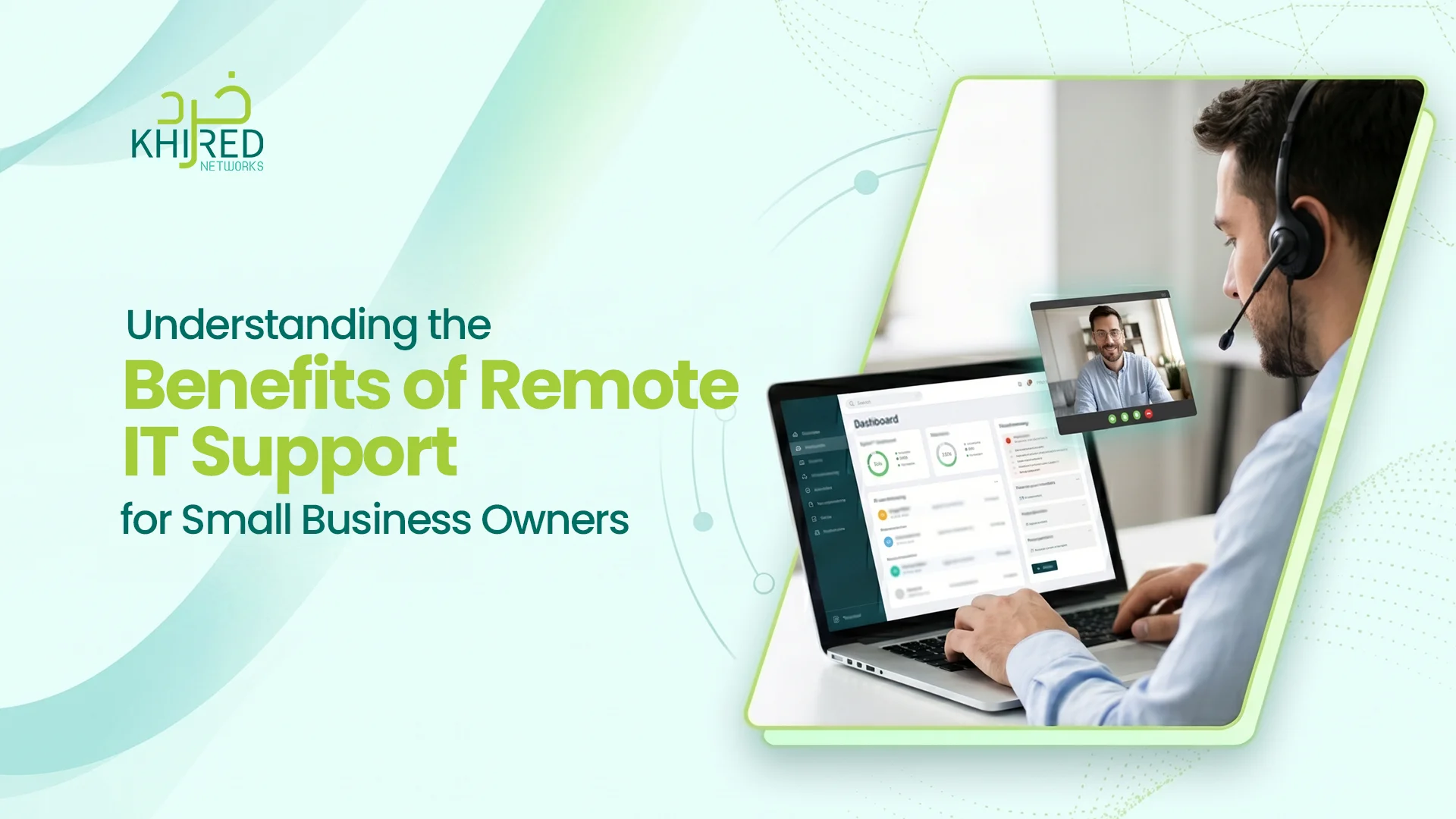
This is where remote IT support for small businesses is making a real impact. By offering quick access to expert help, reduced costs, and proactive system management, it enables businesses to operate smoothly while staying focused and secure.
Understanding how remote application maintenance and support services work and the real benefits they offer can help small business owners make smarter, more cost-effective decisions for long-term success. So, let’s dig into it!
What Is Remote IT Support for Small Businesses?
Remote IT support allows IT professionals to access your systems from a different location and fix issues without being physically present. This can include troubleshooting software problems, updating systems, or ensuring security.
For small-business IT support, remote services reduce downtime and improve response efficiency. Instead of scheduling visits, issues are resolved quickly, helping businesses continue operations without major interruptions.
Types of Remote IT Support Services Businesses Commonly Use
Remote IT support and maintenance include multiple services that help businesses maintain system performance, security, and continuity. The table below highlights the most common types of support used by small businesses:
|
Service Type |
What It Covers |
|
Help Desk Support |
Resolves daily technical issues like login errors, software glitches, and connectivity problems. |
|
Monitoring & Maintenance |
Tracks system performance, applies updates, and fixes issues before they cause downtime. |
|
Cybersecurity Support |
Protects systems through antivirus management, security updates, and threat detection. |
|
Cloud Support |
Manages cloud platforms and user access, ensuring smooth data availability and collaboration. |
|
Backup & Recovery |
Ensure regular data backups and enable quick recovery in case of data loss or system failure. |
Benefits of Remote IT Support for Small Business Owners
Now, let’s shed some light on the benefits that remote IT support services offer to small business owners, and even larger enterprises.
1. Cost Savings That Make a Real Difference
One of the biggest reasons small businesses choose remote IT support is the significant cost advantage compared to traditional IT services.
Lower Operational Costs
Hiring a full-time IT team can be expensive. Remote IT support in the UK and globally offers flexible pricing models, allowing businesses to pay only for the services they need.
No Need for On-Site Visits
On-site IT services often come with travel charges and higher service fees. Remote IT support removes these extra costs, making it a more budget-friendly option.
Predictable Monthly Expenses
Many IT support companies for small businesses offer subscription plans. This helps business owners manage their budgets more effectively without incurring unexpected IT expenses.
2. Faster Response Time
Speed is crucial when technical issues disrupt business operations. Remote IT support offers a 24/7 service. As soon as a query comes in, the team ensures the problem is handled quickly and efficiently.
Instant Access to Experts
Instead of waiting hours or even days, businesses can connect with IT experts almost instantly. This reduces downtime and keeps operations running smoothly.
Quick Troubleshooting
Remote tools allow technicians to diagnose and fix problems in real time. Whether it is a software glitch or a network issue, solutions are implemented faster.
3. Improved Security for Business Data
Cybersecurity and GDPR compliance are major concerns for UK small businesses, especially as cyberattacks continue to target SMEs.
Regular Security Updates
IT services for small businesses include regular updates and patches to protect systems from vulnerabilities. This reduces the risk of cyberattacks.
Continuous Monitoring
Remote IT teams can monitor systems around the clock. This helps detect suspicious activities early and prevent potential threats.
Data Backup and Recovery
Reliable IT business support services ensure that business data is backed up regularly. In case of data loss, recovery becomes easier and faster.
4. Increased Scalability
As businesses expand, their IT needs change. Remote IT support provides the flexibility to scale services according to growth.
Flexible Service Plans
Small businesses can start with basic support and upgrade as needed. This makes remote IT support small businesses a long-term solution.
Support for New Technologies
As companies adopt new tools or software, remote IT providers can help with integration and setup without requiring additional infrastructure.
5. Access to Skilled IT Professionals
Hiring experienced IT staff can be challenging for small businesses, especially with limited budgets.
On-Demand Expert Support
Remote IT support gives access to a team of experts with diverse skills. This ensures that all technical issues are handled professionally.
Up-to-Date Knowledge
IT professionals stay up to date with the latest trends and technologies. This helps businesses stay competitive without investing in training.
6. Better Focus on Core Business Activities
Handling IT problems internally can take valuable time away from running the business.
Reduced Distractions
With IT support for small businesses handled remotely, owners and employees can focus on their core tasks rather than technical issues.
Increased Productivity
Less downtime and fewer disruptions mean employees can work more efficiently, leading to better overall performance.
7. Reliable Support for IT Work
Modern businesses are increasingly adopting remote and hybrid work models, making remote IT support even more relevant.
Support from Anywhere
Employees can receive technical help regardless of their location. This ensures smooth operations even outside the office.
Consistent System Performance
Remote IT teams ensure systems operate efficiently across locations, improving collaboration and communication.
Understanding the Cost of Remote IT Support
Cost is a key consideration for small businesses, and remote IT support pricing in 2026 typically follows structured service tiers based on the required level of support, security, and coverage.
|
Service Level |
Typical Cost (UK) |
What’s Included |
|
Basic Support |
£30 – £60 per user/month |
Help desk support, basic troubleshooting, system monitoring |
|
Standard Managed Support |
£50 – £90 per user/month |
Ongoing IT support, updates, maintenance and essential cybersecurity |
|
Advanced Managed Security Support |
£80 – £130 per user/month |
24/7 monitoring, threat detection, backups, enhanced security management |
|
Premium Fully Managed IT |
£120 – £180+ per user/month |
Full IT outsourcing, compliance support (GDPR), strategy and infrastructure management |
|
Per Device Pricing |
£15 – £45 per device/month |
Device-based support instead of per-user billing |
|
Hourly (Break-Fix Model) |
£60 – £150+ per hour |
One-off troubleshooting, no contract required |
Choosing the Right IT Support Provider
Selecting the right IT support provider is crucial for ensuring reliable performance, security, and long-term business efficiency.
1. Experience and Service Quality
Choose providers with proven experience in supporting small businesses and strong client feedback. Reliable service delivery, such as that provided by Khired Networks, ensures fewer disruptions and better handling of technical issues.
2. Comprehensive IT Services
Look for providers offering end-to-end IT business and SaaS maintenance and support services. These include monitoring, troubleshooting, cybersecurity, updates, and cloud support. A complete service package improves efficiency and reduces vendor dependency.
3. Fast and Reliable Support
Quick response times and clear communication are essential. A strong provider should offer defined SLAs and multiple support channels to ensure timely issue resolution.
4. Security and Proactive Management
Cybersecurity should be built into the service, including threat monitoring, data protection, and regular updates. Proactive maintenance helps prevent issues before they impact operations.
5. Scalability and Transparent Pricing
Select a provider that can scale with your business growth and offers clear, predictable pricing. Transparent plans help control costs while ensuring long-term flexibility.
Final Thoughts
Remote IT support is now essential for UK small businesses seeking reliable, secure, and cost-effective IT management. It reduces downtime, improves cybersecurity, and provides access to expert technical support without the expense of a full in-house team.
With flexible pricing models, businesses can choose support that fits their size and needs. As digital systems become more complex, remote IT support helps SMEs stay productive, secure, and competitive while focusing on core business growth and long-term stability.
Frequently Asked Questions
What is remote IT support for small businesses?
Remote IT support for small businesses is a service in which IT experts resolve technical issues remotely. It helps resolve problems quickly without on-site visits, saving both time and operational costs.
How much does remote IT support cost in the UK?
Remote IT support in the UK typically costs between £30 and £180+ per user/month, depending on the service level. Basic plans start at £30–£60 per user/month, while standard managed support ranges from £50–£90 per user/month. Advanced security-focused services cost around £80–£130 per user/month, and fully managed IT support can reach £120–£180+ per user/month.
For ad-hoc support, hourly rates usually range from £60 to £150+ per hour, depending on the issue and provider.
Is remote IT support secure for small businesses?
Yes, remote IT support is secure when provided by reliable companies. It includes system monitoring, regular updates, and data protection measures, helping small businesses prevent cyber threats and protect sensitive information.
Why do small businesses need IT support services?
Small businesses need IT services to manage systems, ensure data security, and reduce downtime. Professional IT support helps maintain smooth operations while allowing owners to focus on core business activities.


0 Comments